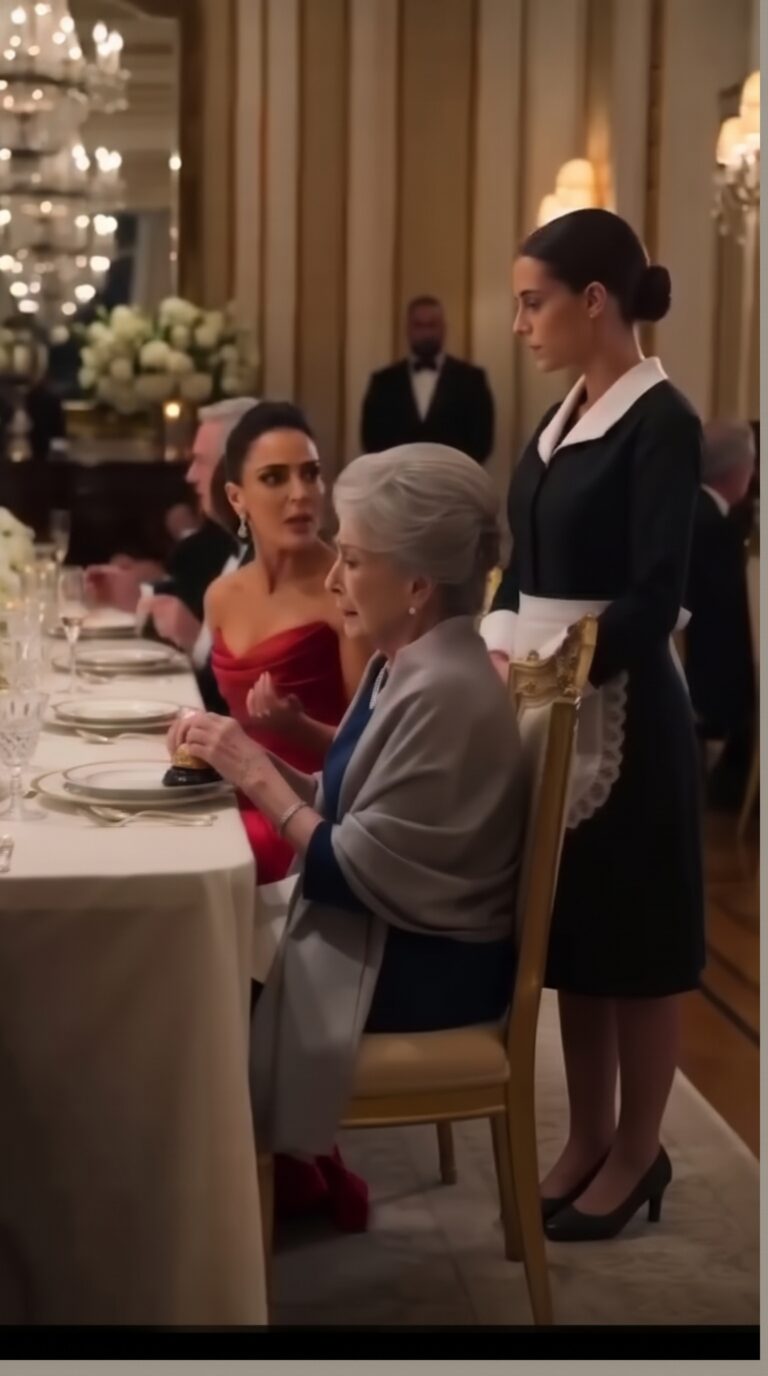
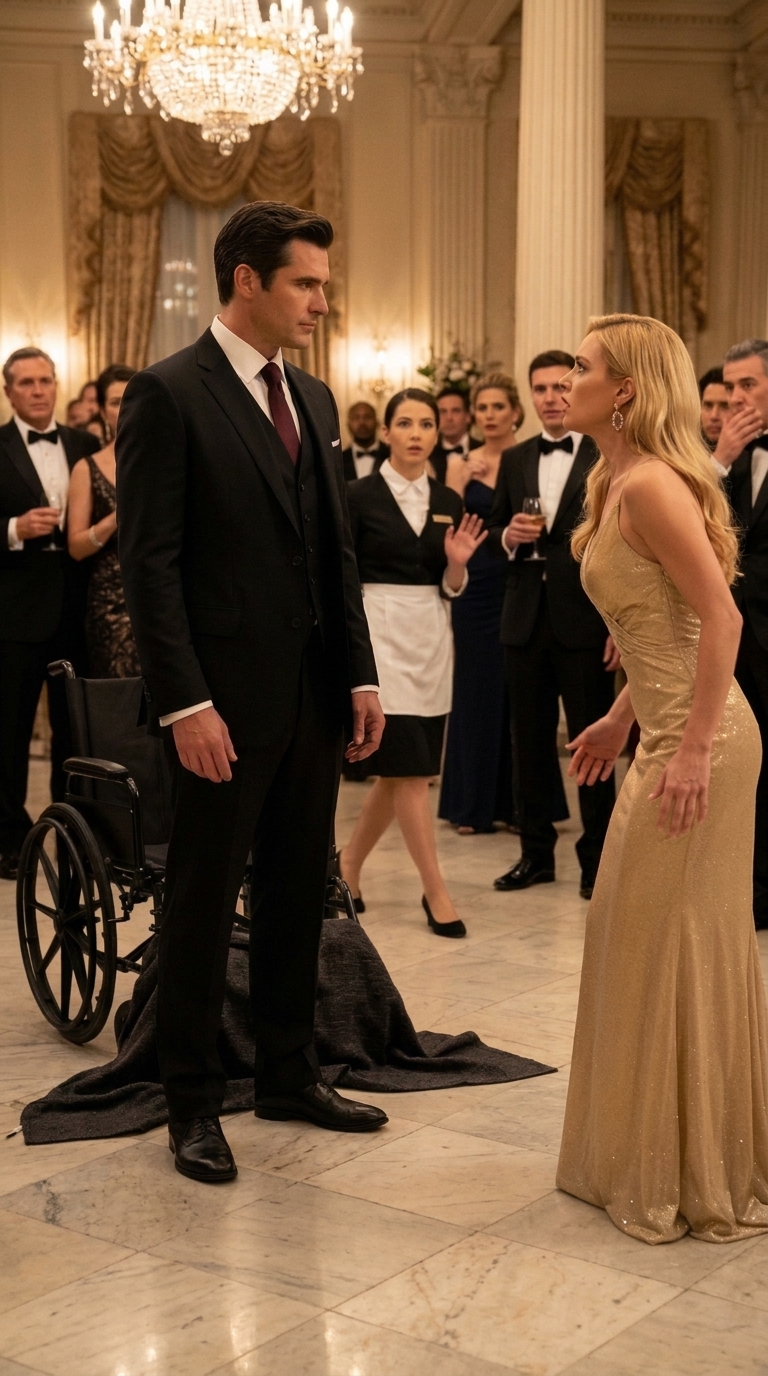
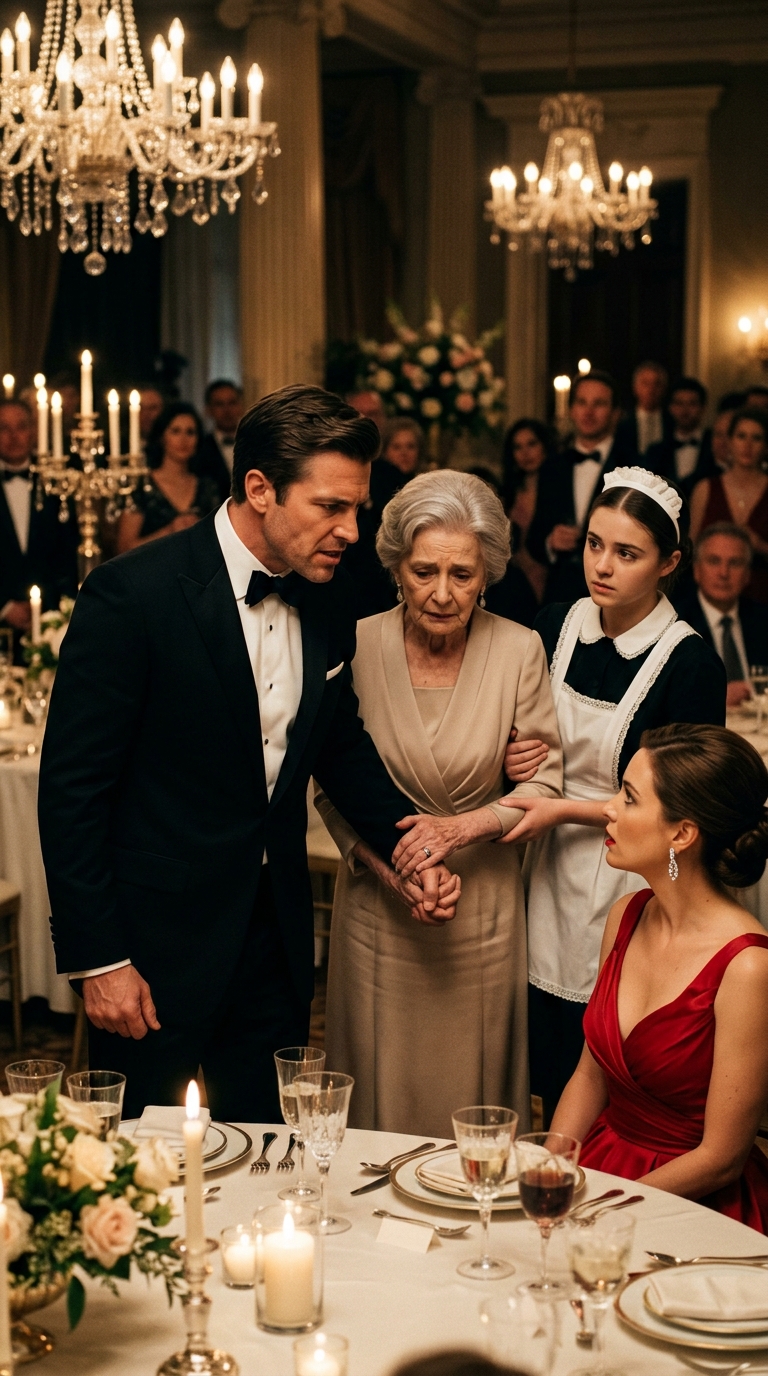
She had entered work that morning expecting an ordinary shift. Instead, she had nearly lost her job because she gave a hungry stranger a meal.
Then, in a matter of minutes, that stranger had revealed a connection she could never have imagined.
At the corner table, Daniel’s father finished his lunch.
“Emily,” he called gently.
She approached him, her expression now calmer.
“Yes, sir?”
“Would you sit with us for a moment?”
She glanced at Daniel, who nodded encouragingly.
After pulling out a chair, Emily sat across from the old man.
“I still don’t understand why you said you had found me,” she admitted.
The old man smiled.
“Daniel and I have been discussing the kind of people we want representing this restaurant. We need employees who are responsible, of course. But we also need people who remember that every customer is a human being.”
He gestured toward the empty plate.
“When I saw you helping me, I realized that you understood something we cannot teach through a handbook.”
Emily looked down, embarrassed by the praise.
“I only did what I thought was right.”
“Exactly,” he replied. “And sometimes, that’s the most important thing a person can do.”
Daniel leaned forward.
“We’ll establish a clear process for employees who encounter customers in genuine need. No one should have to choose between following a policy and showing compassion without any guidance.”
Emily nodded.
“That would help a lot.”
“Then we’ll make it happen,” Daniel promised.
The Choice That Revealed Character
Before leaving, the old man placed enough money on the table to cover his meal and a generous tip. However, he did not make a grand show of it.
Instead, he looked at Emily and offered a final piece of advice.
“Never assume that kindness is wasted simply because someone fails to appreciate it. You may not see the result immediately, but your choices still matter.”
Emily smiled through the last traces of her tears.
“I’ll remember that.”
As Daniel’s father headed toward the entrance, the owner walked beside him. Before they left, Daniel paused and looked back at the dining room.
“We have a lot of work to do,” he said quietly.
His father nodded.
“Every business does. The important thing is whether its leaders are willing to learn.”
Outside, the afternoon sunlight spilled across the sidewalk. The old man adjusted his jacket and took a slow breath of fresh air.
He had arrived at the restaurant hoping to learn something about his son’s business. Instead, he had witnessed a simple act of compassion—and the consequences of forgetting why people matter.
Inside, Emily returned to her duties with a different kind of confidence. She still had bills to pay, long shifts to work, and plenty of challenges ahead. Nevertheless, she no longer felt completely powerless.
That afternoon, one small meal had exposed a much larger problem.
It had also reminded everyone watching that a person’s worth cannot be measured by their clothes, their job title, or the money in their wallet.
Because sometimes, the person who appears to have the least power is the one who reveals the most about everyone else.