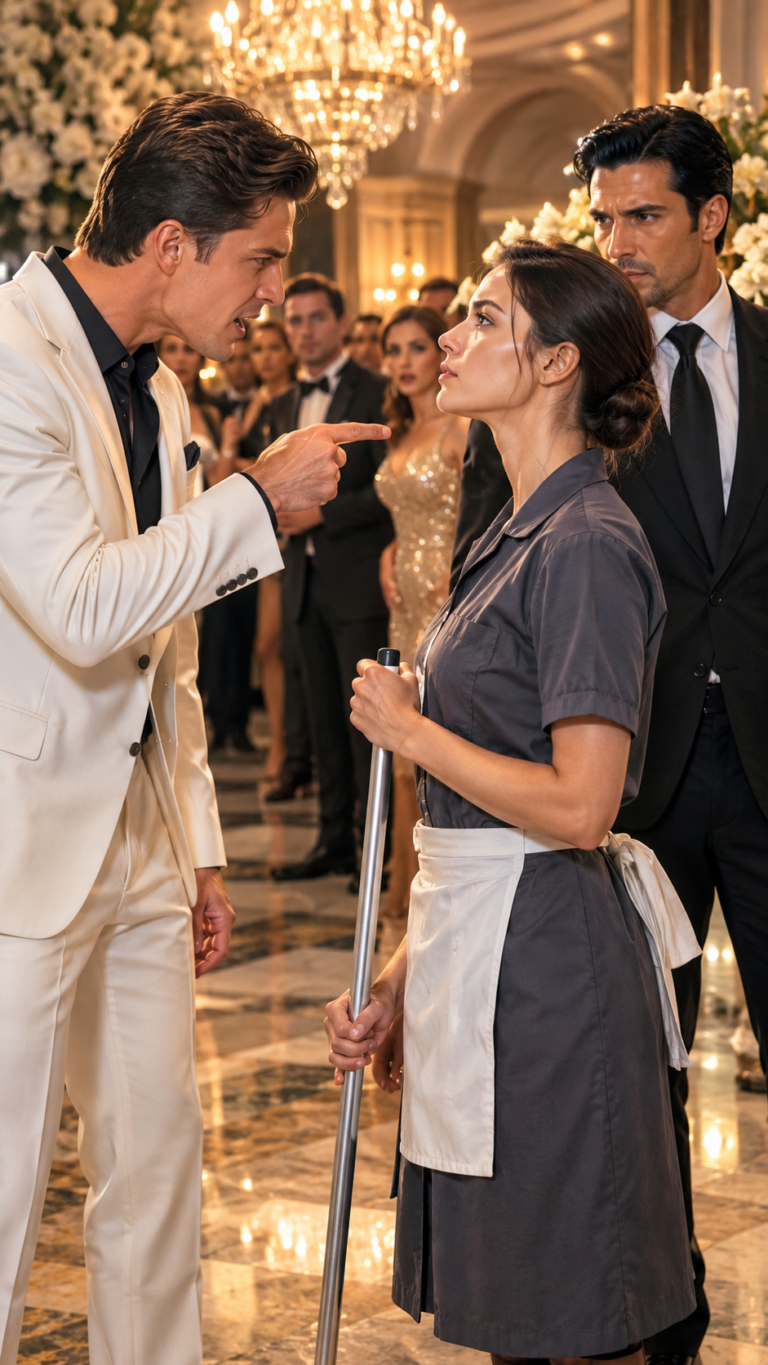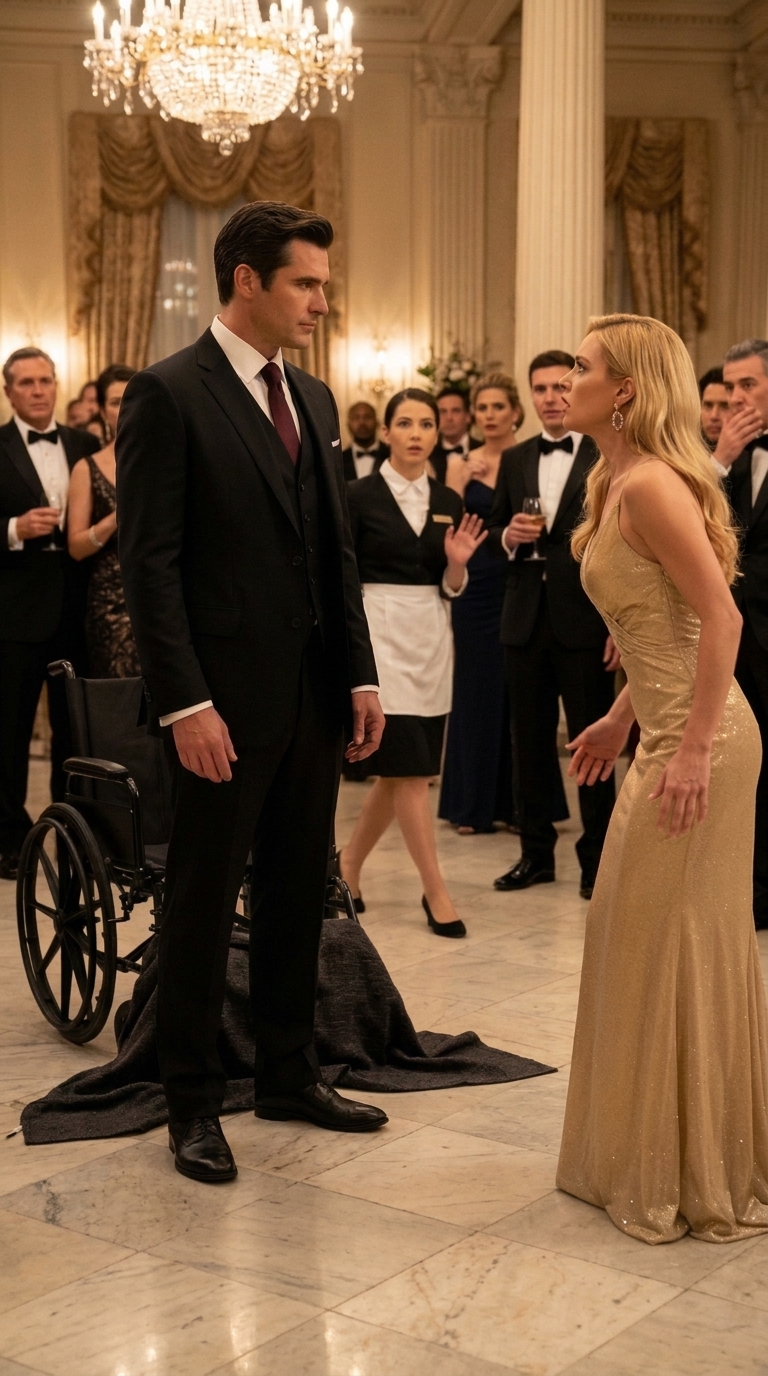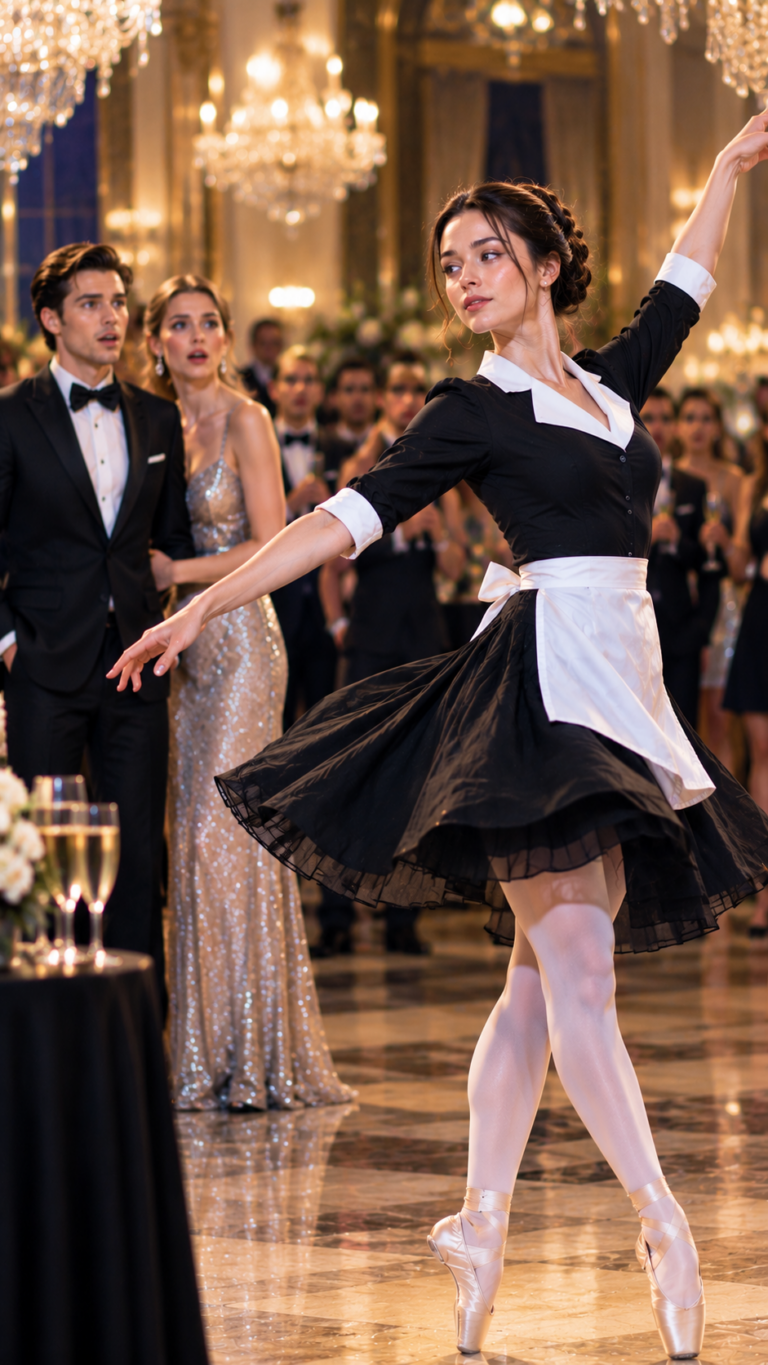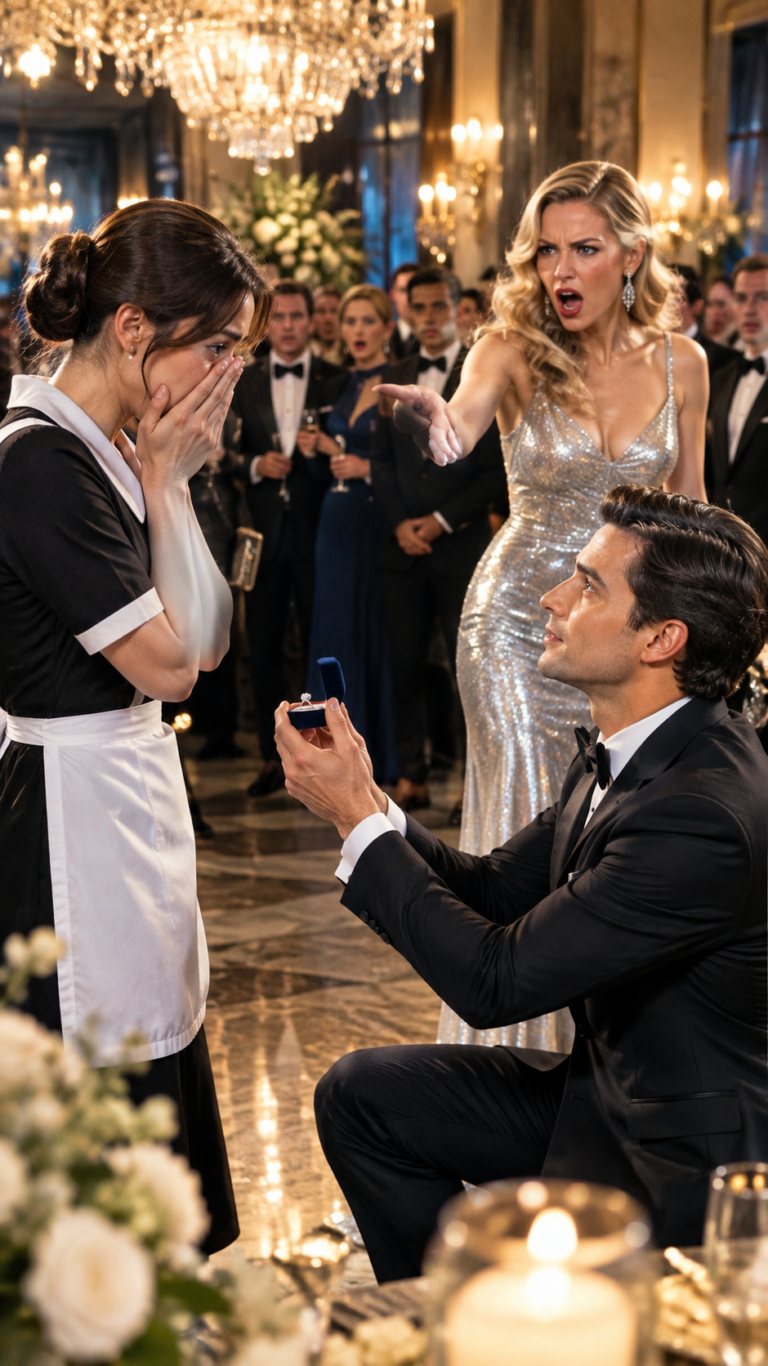
She walked into the most exclusive jewelry store in the city. One arrogant employee made a judgment she would soon regret.
Chapter 1: The Woman Who Didn’t Belong
An Unwelcome Guest
“The VIP collection isn’t for walk-in customers.”
The sales associate delivered the words with a polished smile, as though she were explaining a simple store policy. However, the condescension beneath her pleasant tone was impossible to miss.
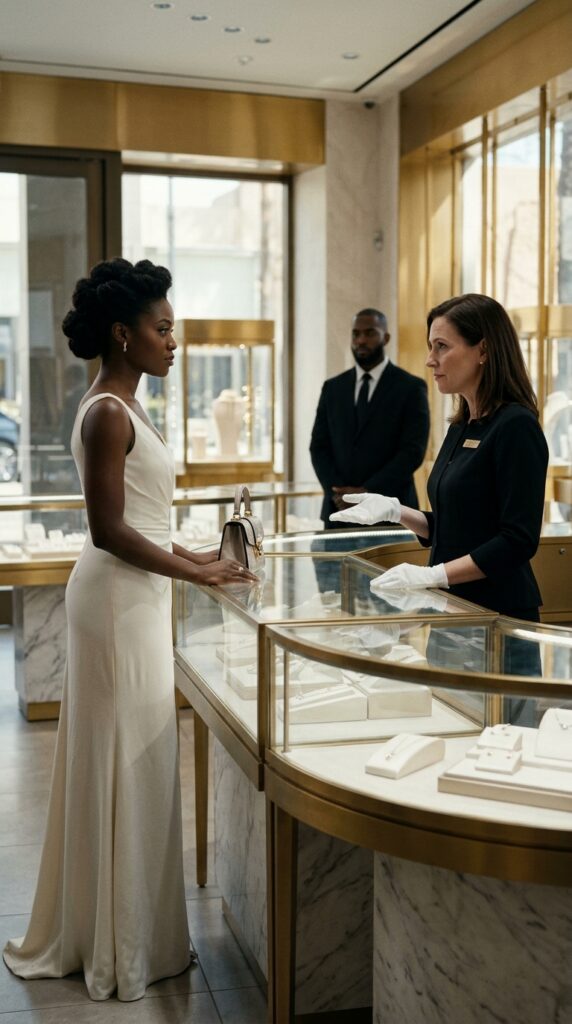
Across the glass counter stood a tall Black woman in an elegant white evening gown. She carried a small handbag and wore no visible jewelry except a delicate pair of earrings. Her appearance was sophisticated without being flashy, and her calm expression gave nothing away.
Sunlight streamed through the boutique’s enormous windows, illuminating rows of diamonds, emeralds, and sapphires. Meanwhile, a security guard in a black suit watched from several feet behind the sales associate.
The woman glanced toward a private showroom at the back of the store.
“I’d like to see the collection in the private room, please,” she said.
Her voice was courteous, and her posture remained relaxed. Nevertheless, the employee’s smile tightened almost immediately.
“I’m afraid that room is reserved for VIP clients,” the associate replied. “We generally require an established purchasing history before granting access.”
The woman looked at her for a moment, waiting for the explanation to continue. Surely, the employee would ask about her interests or offer to arrange an appointment.
Instead, the associate folded her gloved hands on the counter.
An Assumption Made Too Quickly
“Is there a particular reason you believe I wouldn’t qualify?” the woman asked.
The question was gentle, but it made the employee shift her weight.
“It’s simply our policy,” she answered. “We have to make sure our private collections are presented to the appropriate clientele.”
Although the words sounded professional, the implication was clear. The associate had already decided that the woman standing before her did not belong among the boutique’s most privileged customers.
The customer slowly surveyed the display cases.
She noticed the diamonds arranged beneath soft spotlights, the discreet cameras above the entrance, and the velvet ropes separating the private showroom from the main sales floor. Everything had been designed to communicate exclusivity.
Unfortunately, the employee seemed more interested in protecting that image than serving a potential customer.
“Then perhaps you should explain the requirements,” the woman said. “I’d be happy to answer your questions.”
For the first time, the associate appeared genuinely uncomfortable. Even so, she recovered quickly and glanced toward a smaller display case nearby.
“Why don’t we start with something more suitable?”
The woman’s expression barely changed. However, the temperature of the conversation had shifted.
Chapter 2: The Price of Prejudice
The Display Case
The sales associate raised one white-gloved hand and pointed toward a modest collection of silver necklaces and inexpensive gemstone pieces.