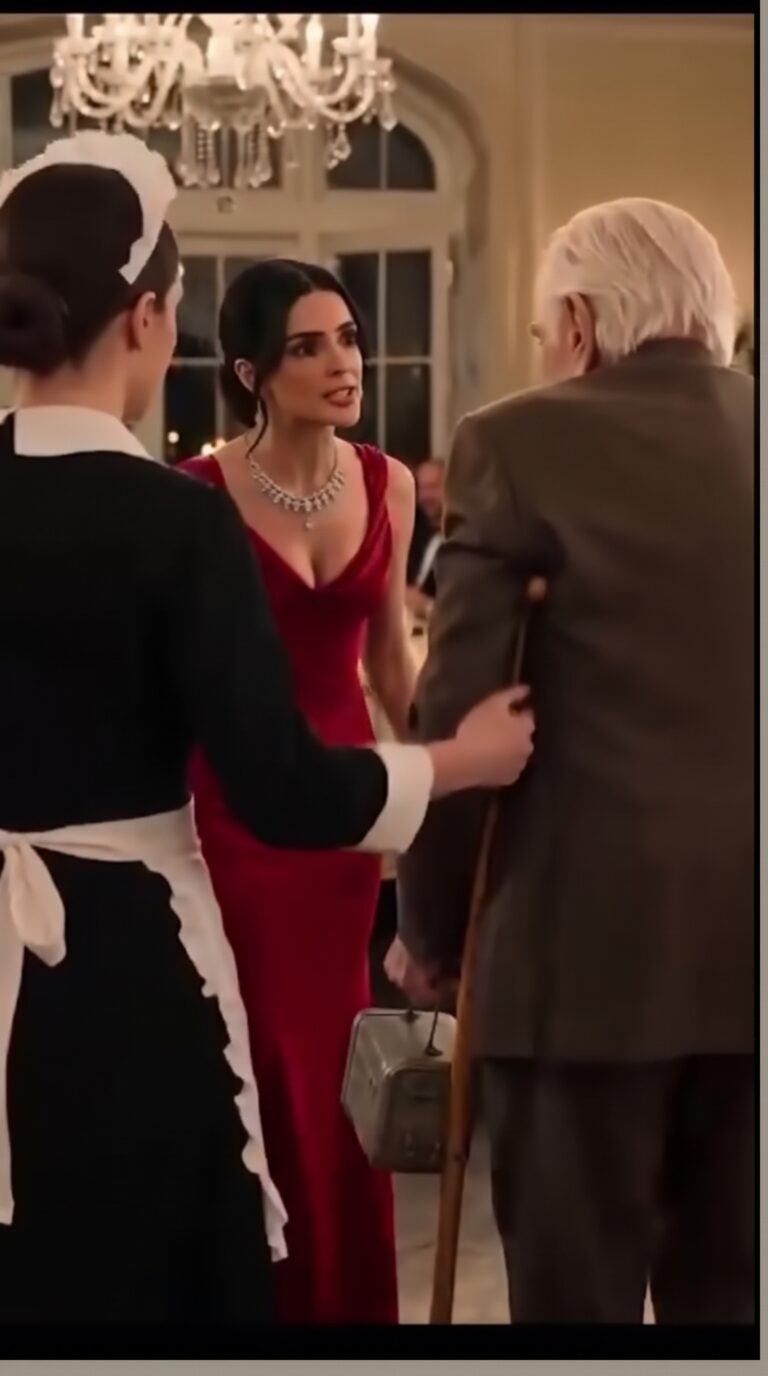
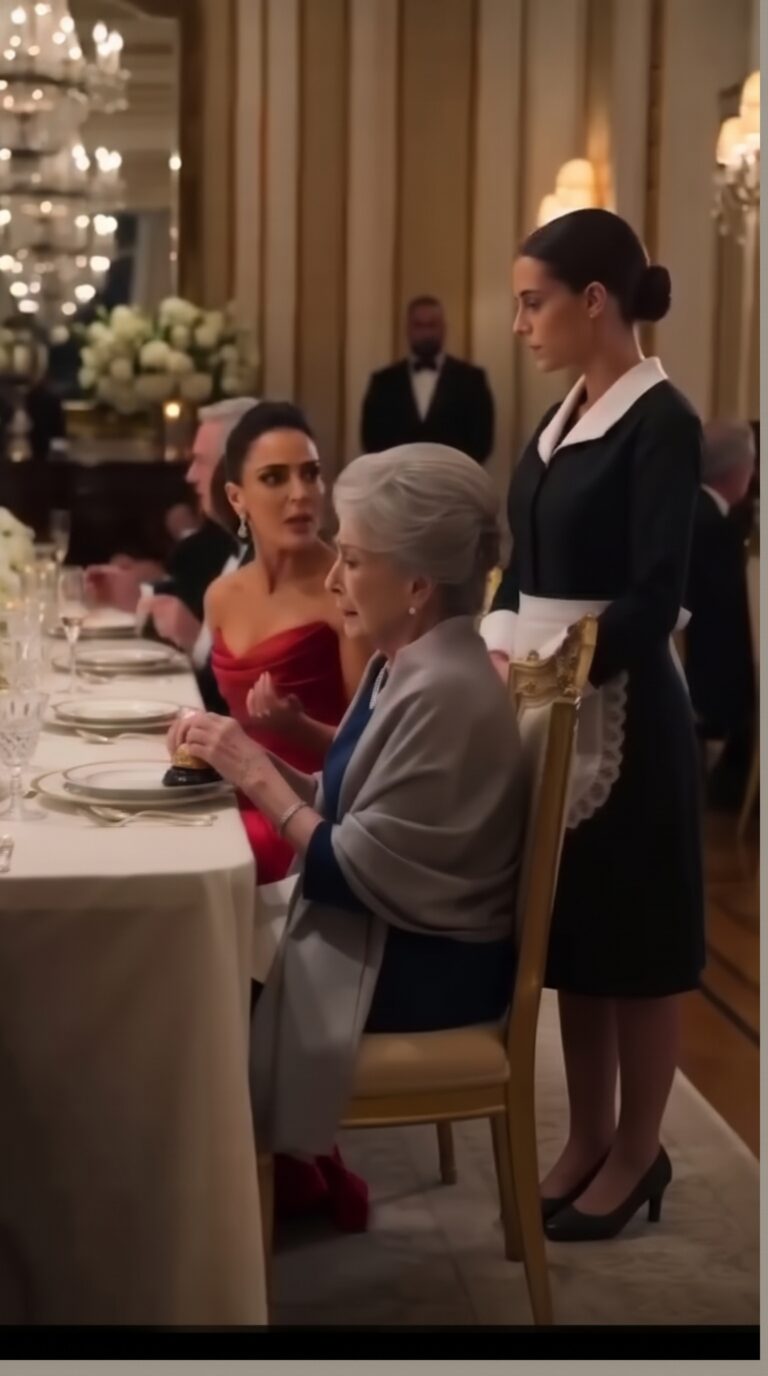
His composure unsettled her more than anger would have. He wasn’t shouting, threatening, or demanding special treatment. Rather, he behaved like someone who had every reason to remain calm.
The waitress looked from the elderly man to her manager. A small flicker of hope appeared in her tearful eyes, although she was afraid to trust it.
Could this stranger really help her?
The manager, meanwhile, tried to recover her authority.
“Even if you know the owner, that doesn’t give you the right to interfere with how I run this restaurant.”
“Perhaps,” the old man replied. “But it does give me a reason to ask whether you understand the kind of business you’re running.”
For the first time, the manager had no immediate answer.
Chapter 4: The Difference Between Rules and Humanity
A Lesson in Leadership
The elderly man turned toward the young waitress.
“What is your name?” he asked gently.
She blinked, surprised by the question.
“Emily, sir.”
He gave her a small, reassuring nod.
“Emily, did you charge this restaurant for the meal you gave me?”
“No, sir,” she answered. “I was going to pay for it myself.”
The older man looked at the manager again.
“So she was willing to use her own money to feed a hungry customer?”
Emily lowered her eyes. She hadn’t expected anyone to discuss her decision as though it mattered. She had simply wanted to help someone who needed a meal.
The manager shifted her weight.
“That’s not the point. My employees cannot make their own rules.”
“Of course they cannot,” the elderly man replied. “A business needs rules. However, a good manager also needs judgment.”
He gestured toward the plate on his table.
“This young woman saw someone who was hungry. Rather than humiliate him, she chose to help. You responded by firing her in front of your customers.”
The manager’s cheeks flushed.
“I was enforcing company policy.”
“Then perhaps you should consider how you enforce it.”
His words weren’t loud, but they reached the nearby tables. Several customers nodded quietly, while others watched the manager with open disapproval.
For once, she couldn’t rely on a raised voice to end the discussion.
The Question No One Could Ignore
The elderly man leaned back in his chair.
“Tell me something,” he said. “If a hungry person walks into this restaurant, do you want your employees to see a customer—or a problem?”
The manager opened her mouth, but no response came.
He continued before she could recover.
“Customers may forget the color of your walls or the price of their meals. However, they remember how you make them feel. And tonight, everyone here has seen how you treat someone who has less power than you.”