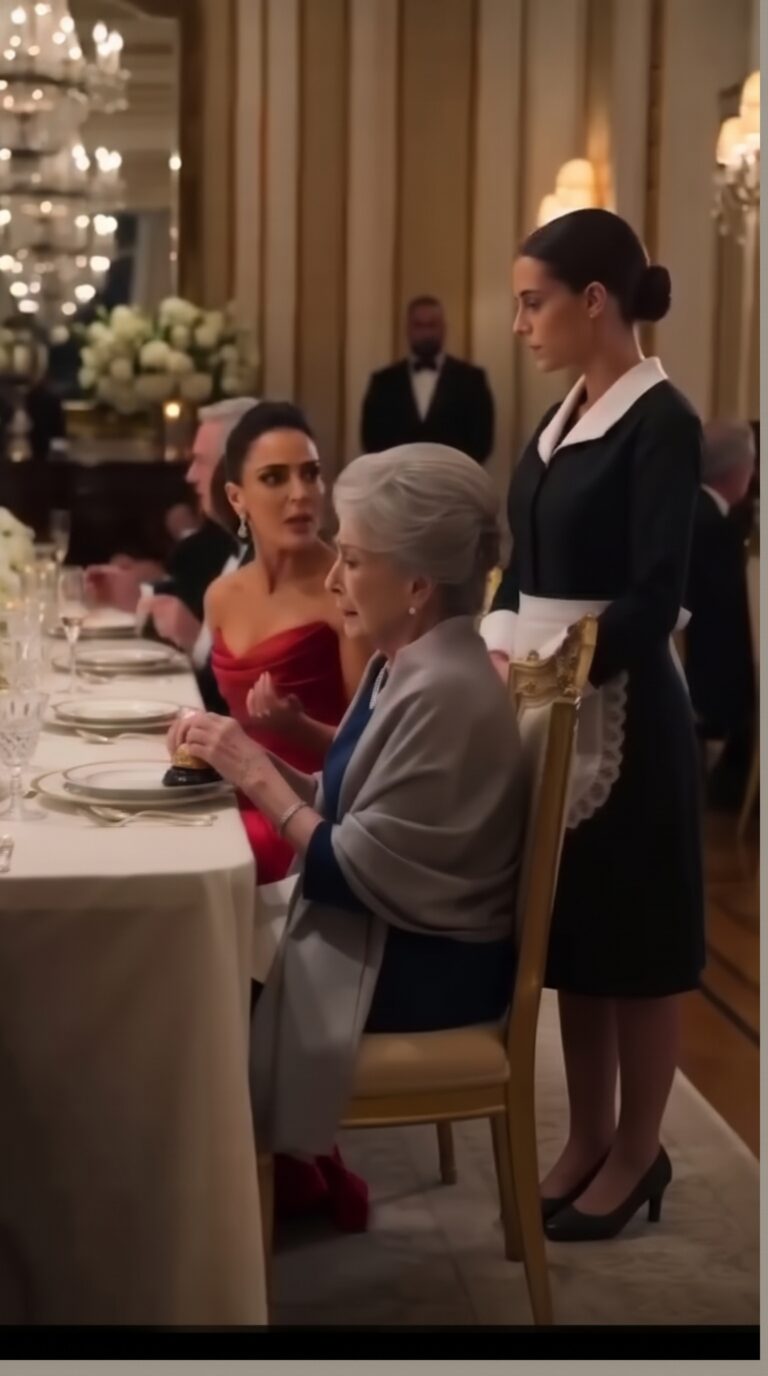
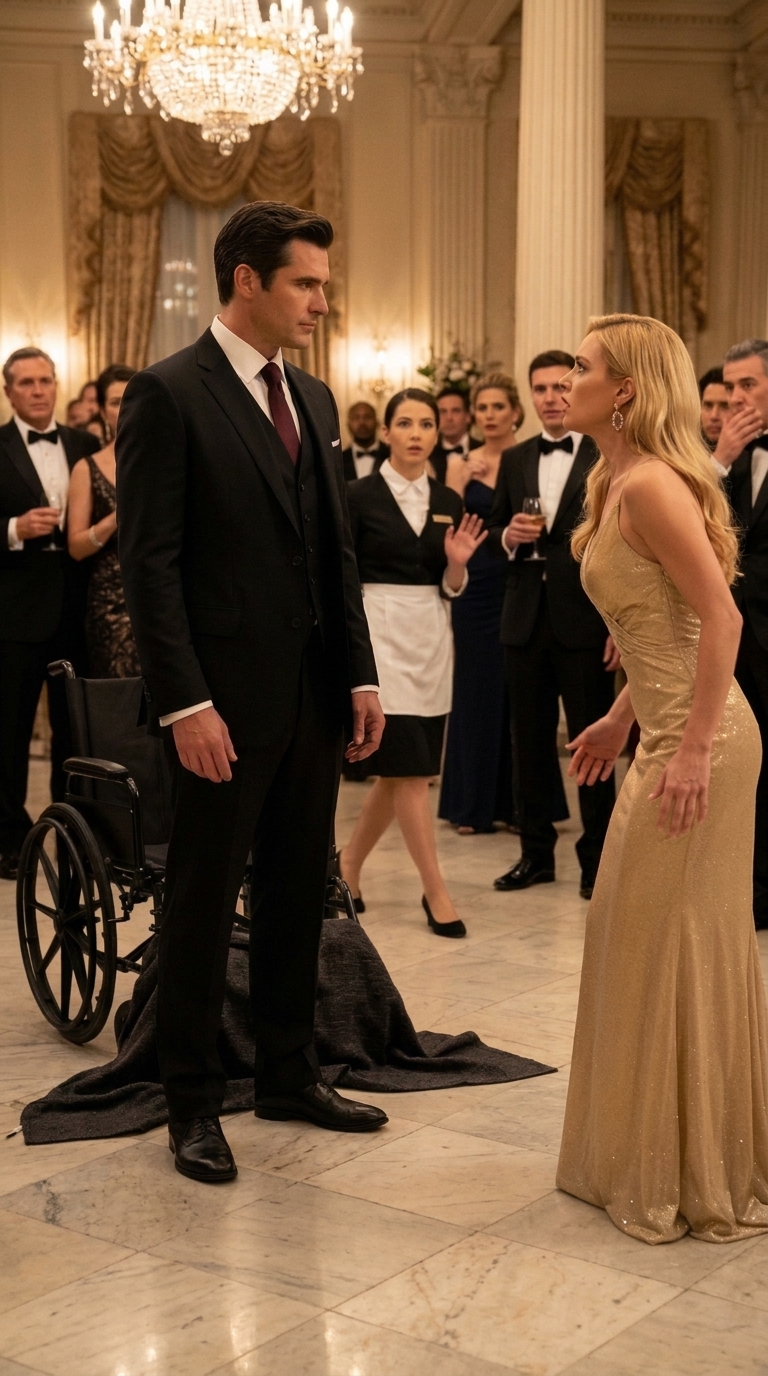
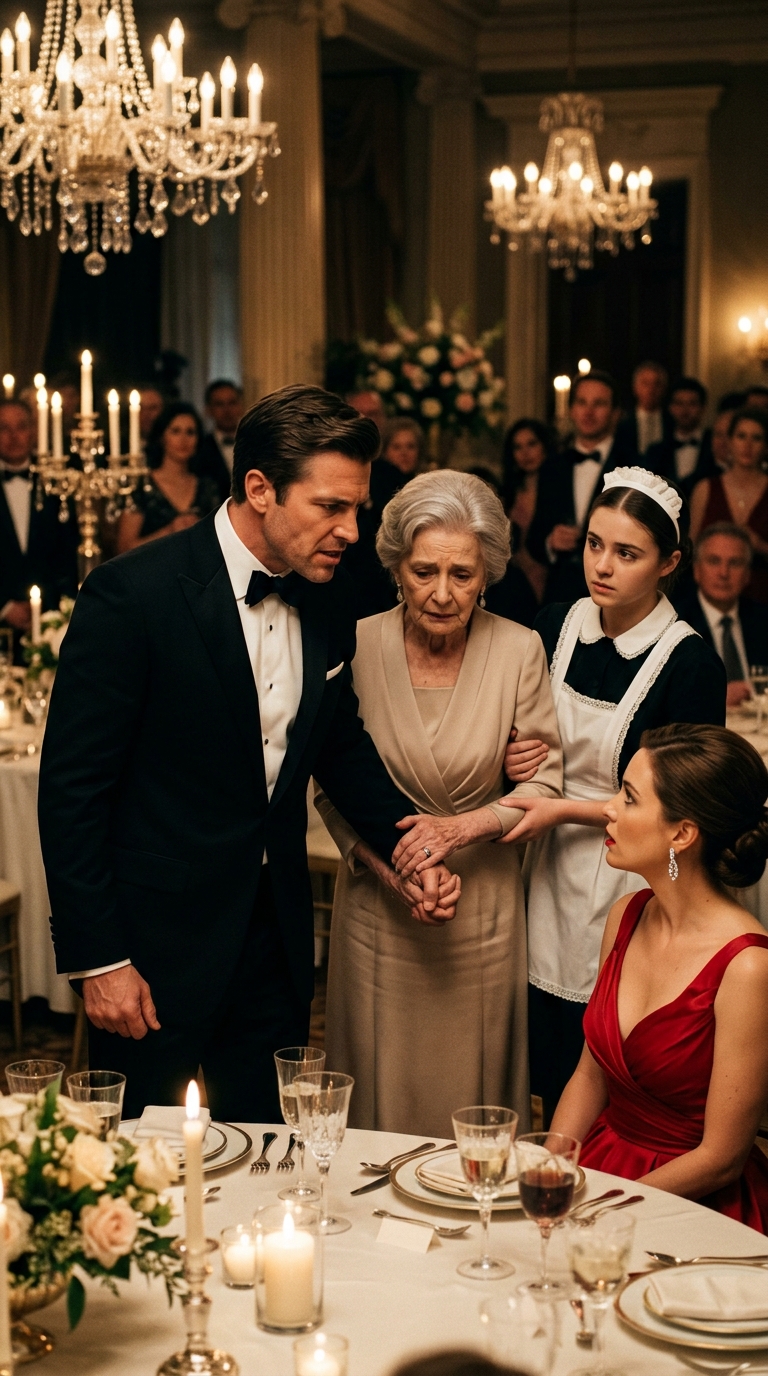
“Perhaps something in this case would be more appropriate for your budget,” she suggested.
The remark landed harder than the employee seemed to expect.
For a moment, the customer simply stared at her. She had entered the boutique intending to examine a particular collection, yet the employee had redirected her without asking a single question about her preferences.
More troubling still, the associate had treated her appearance as evidence of her financial circumstances.
“Have you asked me what I’m looking to buy?” the woman said.
“No, but I deal with customers all day,” the associate replied. “I have a good understanding of what people are looking for.”
That answer only made the situation worse.
The customer rested her handbag against her side and straightened her shoulders.
“Understanding customers begins with listening to them,” she said. “It doesn’t begin with deciding what they can afford.”
Behind the counter, the employee’s jaw tightened. Although the woman’s tone remained measured, the conversation was no longer going according to plan.
“I wasn’t trying to offend you,” the associate said. “I’m simply trying to make your shopping experience more efficient.”
“Then let me tell you what would make it efficient.”
The woman paused, giving the employee a chance to respond.
“Show me the collection I asked to see.”
An Audience in the Background
The security guard shifted slightly near the entrance.
Until then, he had remained silent, as instructed by the boutique’s usual procedures. Nevertheless, he could hear every word, and he had noticed the difference between the customer’s calm professionalism and the employee’s increasingly defensive attitude.
A couple browsing nearby also turned their attention toward the counter.
The associate noticed them watching. Consequently, she lowered her voice, hoping to make the exchange seem less confrontational.
“Madam, the private collection is not something we show to every visitor.”
“I’m not asking you to show it to every visitor,” the woman replied. “I’m asking you to show it to me.”
Her response left little room for misunderstanding.
Even so, the employee seemed determined to have the final word.
“Without a purchasing history, I can’t justify taking you into that room.”
The customer studied her face, searching for even a hint of reconsideration.
Instead, she found a woman who had mistaken arrogance for authority.
“That’s interesting,” the customer said quietly. “You haven’t asked my name, checked whether I have an appointment, or even asked what brought me here.”
For the first time, the associate had no immediate answer.
However, the silence lasted only a second before she attempted to reclaim control.
Chapter 3: Behind the Velvet Rope
A Room Reserved for the Privileged
The private showroom sat behind a discreet velvet rope near the rear of the boutique. Beyond its glass doors, carefully arranged displays held rare diamonds, limited-edition watches, and custom-designed pieces unavailable on the main sales floor.